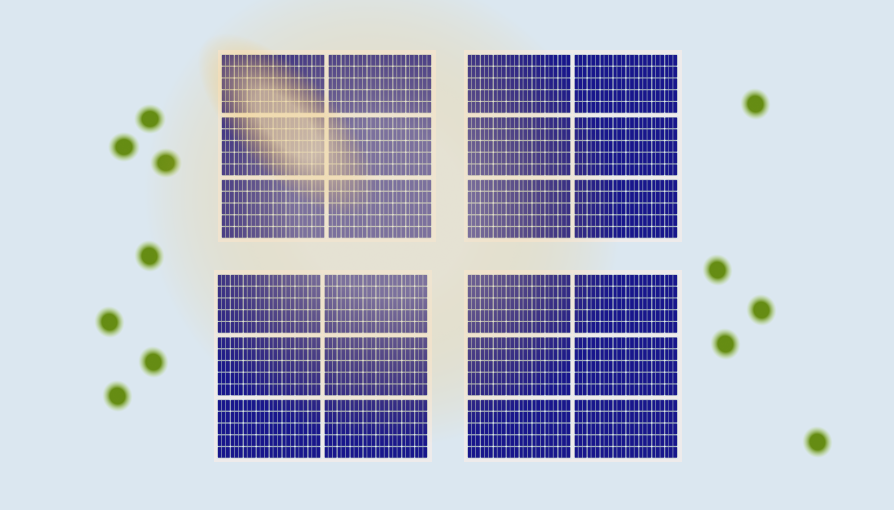
Technically you do not need a qualification to install solar panels — some homeowners even attempt to do it themselves. However, in practice, if you want to operate as a solar installer and find work, you will need to be officially qualified.
Recommended qualifications:
MCS certification — Usually granted to companies; involves significant training and assessment
Competent Person Scheme — Complete work without local council approval
Part P Competent Person Scheme — Undertake domestic electrical work and self-certify
Technically, any person can install solar panels. However, connecting the solar energy supply to the mains electricity network requires a qualified electrician.
In most cases, solar installations are completed by a team of electricians often with the help of a roofer (if the panels are installed on a roof).
To work on solar installations you should first qualify as an electrician and then specialise in solar installs. You can either do this by taking a college course or by completing an apprenticeship.
If you don't fancy studying at college, an apprenticeship is a great way to learn practical skills while on the job. Typically takes around 2 years to complete and qualifies you as an electrician.
The quickest you could become qualified (completing all courses back-to-back) would be 7 months 3 days. In reality, gaining necessary experience typically takes over a year minimum.
As of May 2023, there were 2,286 qualified PV contractors in UK — a 66% increase from the previous year.
The work is well paid and good value for the time it takes. As a career, it's a good combination of practical work and technical skill which makes it an interesting and varied job.
Advantages:
High demand for installers
Varied and interesting work
Well paid profession
Growing industry
Challenges:
Involves paperwork and admin
Materials shortages possible
Cost of initial training
DNO compliance requirements
As an installer, you need to understand building regulations and complete paperwork. This includes contacting the Distribution Network Operator (DNO) to notify them of completed installations.
Once you've decided to get qualified and start work as a PV installer, you need to think about how you're going to manage your new customers.
The best way to organise your business and provide the best experience for your customers is to use high-quality CRM and job management software. Payaca provides market-leading features including customised automation and multiple choice quoting designed for businesses like yours.
If you're interested in other forms of green energy, consider becoming a heat pump installer — another high-demand career in the renewable energy sector.
Ready to streamline your operations?
See how Payaca helps clean tech installers save time and grow their business.
A practical guide to the software options for EV charger installation businesses. Covers the difference between charger management and installer management, compares tools from spreadsheets to purpose-built platforms, and explains what to look for as you scale.
A practical comparison of CRM and business software options for heat pump installation companies. Covers generic CRMs, HVAC field service tools, and purpose-built clean tech platforms.
Battery storage installers have unique operational needs that generic field service tools don't address. We compare the software options available, from spreadsheets and solar-specific tools to purpose-built clean tech platforms.