

Blog
We watched 30 clean-energy installers churn off HubSpot. Here's why
HubSpot wins solar, heat pump and EV installers on the way up - and loses them as soon as the install team starts using it. Five patterns we keep seeing in migration calls.
The UK government has set out an ambitious target to install 600,000 heat pumps per year, the industry seems to be far behind this target. In this blog, we look at what steps the renewable sector as a whole can take to help get us there.
The UK has installed just over 250,000 heat pumps in total, with roughly 35,000 going in during 2023 under the MCS scheme. The government's target is 600,000 per year. That's a gap of roughly 17x between current run rate and where we need to be.
When people point to Scandinavia as proof it can be done, there's an important caveat: Sweden and Norway include air-to-air systems in their figures. The UK data mostly counts air-to-water installations, which are more expensive and more complex to install. The comparison isn't apples-to-apples, though the direction is clear - other countries have made heat pumps mainstream at a pace the UK hasn't come close to.
In September 2023, the UK government increased the Boiler Upgrade Scheme grant from £5,000 to £7,500 for air-source heat pumps in England. Scotland offers equivalent support with an additional interest-free loan option of up to £7,500.
These are meaningful sums. But uptake has been slower than expected, and the reason is straightforward: even with a £7,500 grant, a heat pump installation typically costs the homeowner £5,000-10,000 more than a gas boiler replacement. That's a hard sell when your boiler has just broken down and you need heat next week.
The most significant barrier to heat pump adoption isn't technology, training, or even upfront cost - it's the running cost gap between electricity and gas. Electricity in the UK costs roughly four times as much as gas per unit of energy. Heat pumps are 3-4x more efficient than gas boilers, but that efficiency roughly cancels out the price difference rather than creating clear savings.
This is the "spark gap", and it makes the economics uncompelling for most homeowners. Until electricity is cheaper relative to gas - through tax reform, grid decarbonisation, or tariff restructuring - heat pumps will remain a harder sell than they should be.
Peaker plants make this worse. Between September 2021 and January 2022, peaker plants (power stations activated during demand spikes) averaged £287 per MWh compared to £69 from standard sources. By December 2022, some hit £5,000-6,000 per MWh. These costs flow through to consumer bills. The fact that foreign-owned peaker plant operators saw profits quadruple while being excluded from government windfall taxes adds a political dimension that makes reform harder.
There are 130,000 gas engineers in the UK. As gas boiler installations decline through legislation and the push toward renewable heating, these are exactly the people who should be installing heat pumps instead. They understand heating systems, they know how to work in homes, and they have the customer relationships.
The challenge is making retraining practical. A self-employed gas engineer earning good money can't easily afford to stop working for weeks of training, pay for courses, and then restart in a market they're unfamiliar with.
What would actually move the needle:
Better financial support for retraining. The current grants and loan options for training costs are too small or too hard to access. Covering the full cost of retraining plus income support during the training period would remove the biggest barrier.
Flexible training formats. Evening, weekend, and modular courses that let working engineers retrain without losing their income. Online theory combined with hands-on practical blocks.
Fast-track certification that recognises existing skills. An experienced gas engineer shouldn't need to start from scratch - they already understand heating systems, pipework, controls, and customer interaction. A focused conversion course building on those foundations is more practical than a full apprenticeship programme.
Regional training centres. Most training is concentrated in a few locations. Engineers in Cornwall or Cumbria shouldn't need to travel to a major city for weeks of training.
British Gas is building out its own heat pump installation capability, training existing engineers and adding heat pump services to its offering. Given its customer base and brand recognition, this could be significant in normalising heat pumps for mainstream homeowners.
Octopus Energy runs a Trusted Partner Scheme that vets heat pump installers to higher standards and offers competitive financing to homeowners. This kind of quality-focused approach matters because poor installations damage consumer confidence in the technology.
Both models - building internal capability and curating a network of trusted independents - will be part of reaching scale.
Permitted Development Rights have been expanded to reduce planning permission requirements for most heat pump installations, which is a genuine improvement. But restrictions still apply in conservation areas and listed buildings, which affects a meaningful portion of the UK housing stock.
Noise is a real constraint in urban settings. Air-source heat pumps must comply with a 42-decibel maximum at the property boundary. In terraced housing or properties with small gardens, this can require additional soundproofing or rule out certain equipment. Manufacturers are improving on this, but it's still a factor that limits where installations are practical.
The MCS Certification Scheme is the gateway to government incentives - only MCS-certified installations qualify for the Boiler Upgrade Scheme. This ensures quality and gives homeowners confidence, but it also means the pace of installation is directly tied to how many certified installers exist and how much capacity they have.
Umbrella schemes that handle the MCS certification, compliance, and administrative burden on behalf of individual engineers lower the barrier to entry. For a gas engineer transitioning to heat pumps, joining an umbrella scheme is often the fastest path to being able to offer certified installations.
Getting to 600,000 installations a year requires dramatically more certified installers. That means making MCS certification faster to obtain, cheaper to maintain, and more compatible with the reality of how engineers actually work and learn.
The target is ambitious and we're a long way from it. But the ingredients exist: a large pool of skilled engineers who could transition, a grant scheme that helps with upfront costs, and a technology that works. What's missing is closing the spark gap, making retraining practical, and scaling the certification pipeline. Get those three things right and the 600,000 target becomes realistic.
See how Payaca helps clean tech installers save time and grow their business.
Book a demoWant more from Payaca in your Google results?
HubSpot wins solar, heat pump and EV installers on the way up - and loses them as soon as the install team starts using it. Five patterns we keep seeing in migration calls.
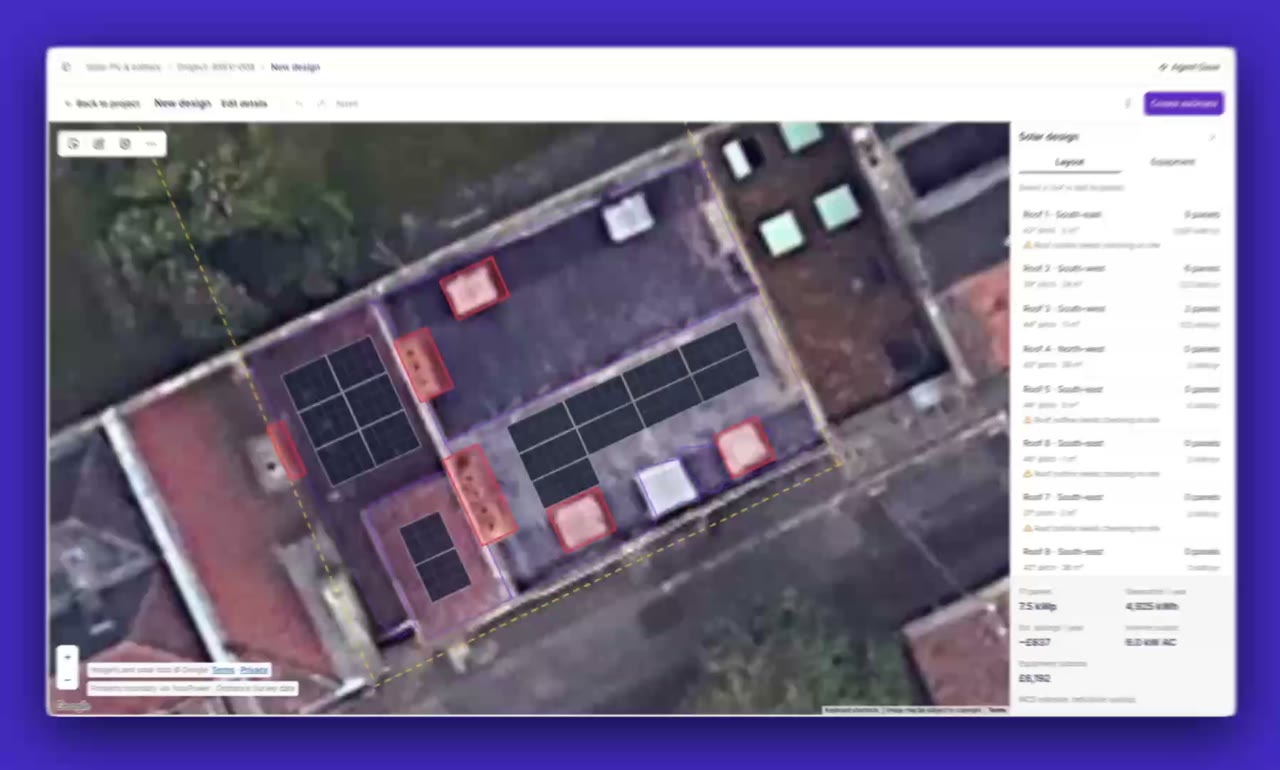
Why Payaca built solar design and heat pump estimates into the system installers run the job in, and why we're still open to the tools you use.

England relaxed permitted development for air source heat pumps, but the right hinges on an MCS 020 noise assessment under 42 dB(A). A practical guide for UK installers on what changed and where jobs slip into a full planning application.