Blog
We watched 30 clean-energy installers churn off HubSpot. Here's why
HubSpot wins solar, heat pump and EV installers on the way up - and loses them as soon as the install team starts using it. Five patterns we keep seeing in migration calls.
Sweden leads the world in heat pump adoption. We look at what drove their success and what the UK can learn from their approach to scaling installations.

Matt Franklin
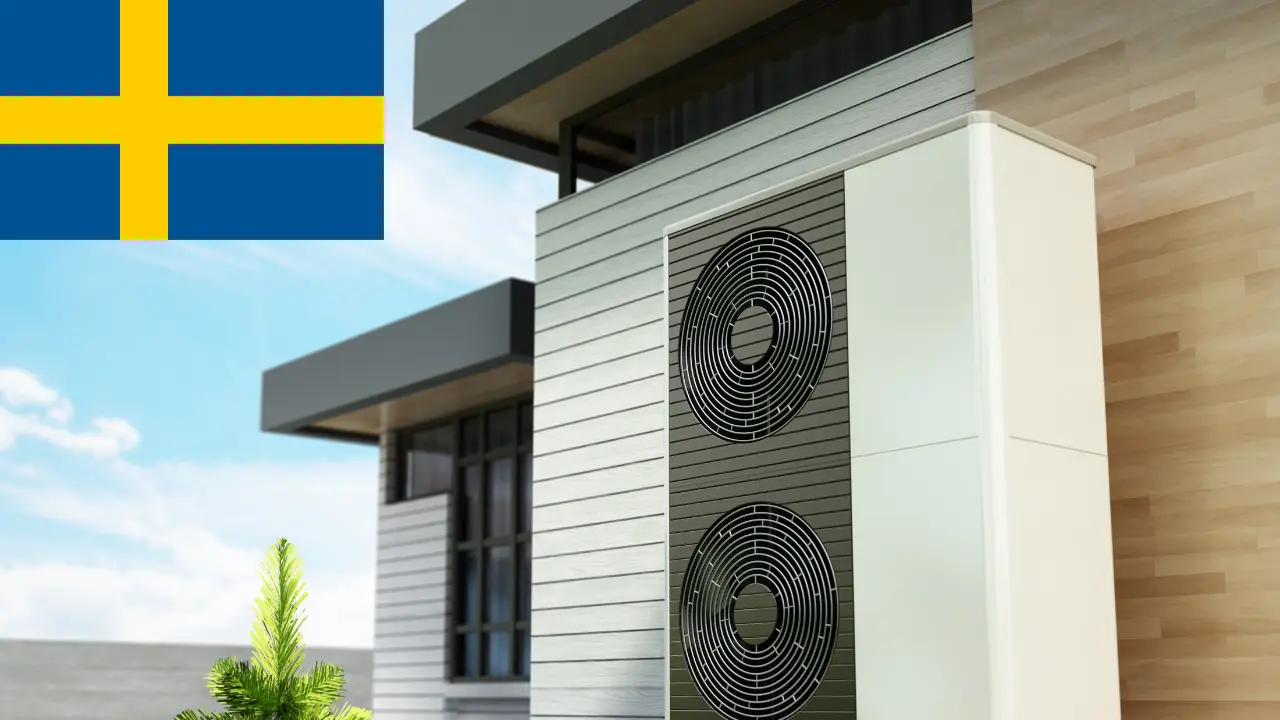
I recently came across an analysis of Sweden's heat pump rollout that made me reconsider some assumptions about why the UK is so far behind on adoption.
The headline comparison everyone makes - "Sweden has heat pumps in X% of homes, the UK has barely started" - obscures a critical difference: Sweden mainly uses air-to-air heat pumps, while the UK has focused almost entirely on air-to-water systems. That's not a minor technical distinction. It changes the cost, the installation complexity, and ultimately how many homeowners say yes.
Air-to-air systems (Sweden's primary approach) extract heat from outside air and blow warm air directly into the home. They're cheaper to install, faster to fit, and provide cooling in summer as well as heating in winter. They work well in well-insulated homes with open-plan layouts - which is what most Swedish housing looks like.
Air-to-water systems (the UK's focus) extract heat from outside air and transfer it to a water-based system - radiators or underfloor heating. They're more expensive, more complex to install, and often require upgrading radiators or adding insulation before the system performs properly. But they connect to the kind of central heating infrastructure that most UK homes already have.
The UK defaulted to air-to-water because that's what fits our existing radiator-based heating systems. It was the pragmatic choice - but it also meant choosing the option that costs homeowners significantly more and takes longer to install.
Sweden didn't just pick the right technology - they picked the technology that removed the barriers to adoption.
Lower cost removed the biggest objection. Air-to-air systems cost less to buy and install, which meant fewer homeowners needed grants or subsidies to make the switch. The economics worked without heavy government intervention.
Simpler installation meant faster rollout. Air-to-air systems can often be installed in a day. They don't require modifying the home's existing heating distribution. This meant the existing workforce could install more systems per year, scaling capacity faster.
Heating and cooling appealed to a wider audience. Sweden has warm summers as well as cold winters. A system that does both felt like a genuine upgrade, not just a replacement for something that already worked.
The building stock helped too. Swedish homes tend to be well-insulated with open-plan layouts suited to air distribution. But the policy and technology choices mattered at least as much as the buildings.
The UK's housing stock is among the oldest and least insulated in Europe. Millions of homes were built with solid walls, have small rooms designed around radiators, and lose heat at a rate that makes heat pumps work harder and cost more to run.
This is why the UK defaulted to air-to-water: those systems connect to existing radiators. But it also means that many homes need insulation upgrades, radiator replacements, or both before a heat pump will perform well. That pushes the total project cost to £15,000-25,000 even with the £7,500 BUS grant - a figure that makes most homeowners hesitate.
There's also a perception problem. Many people believe heat pumps don't work in cold weather, or that they can't heat an older house properly. These concerns aren't entirely wrong - a poorly specified or undersized system in a badly insulated house will underperform. But a properly designed installation in a house that's had basic insulation improvements works well, and the number of successful UK installations demonstrates that.
The obvious lesson from Sweden is that the UK should broaden its technology approach rather than treating air-to-water as the default.
Air-to-air systems make sense for some UK homes. New builds with good insulation and open-plan living areas could use air-to-air systems at lower cost and with simpler installation. Flats and apartments, where connecting to a wet heating system is difficult, are another natural fit. The UK barely considers these applications.
Incentive structures should reflect the cost differences. The BUS grant pays the same £7,500 regardless of system type. If air-to-air installations cost significantly less, the grant covers a larger proportion of the cost - making the decision easier for homeowners. Alternatively, varying the grant level to ensure similar out-of-pocket costs across technologies would give homeowners genuine choice.
Insulation and heat pumps should be treated as a single project. In the UK, insulation grants and heat pump grants are separate programmes with separate applications. In practice, many homes need both. Combining them into a single home energy upgrade programme - with a single application and a coordinated installation schedule - would reduce friction and improve outcomes.
Public education needs to get specific. Telling people heat pumps are "the future" doesn't address their actual concerns. Showing them data on running costs in homes similar to theirs, or connecting them with neighbours who've made the switch, does.
Sweden's success shows that mass heat pump adoption is possible. But it happened because the technology, cost, and policy aligned to make it easy for homeowners to say yes. The UK needs to find its own version of that alignment - and being flexible about technology rather than committed to a single approach is a good place to start.
See how Payaca helps clean tech installers save time and grow their business.
Book a demoHubSpot wins solar, heat pump and EV installers on the way up - and loses them as soon as the install team starts using it. Five patterns we keep seeing in migration calls.
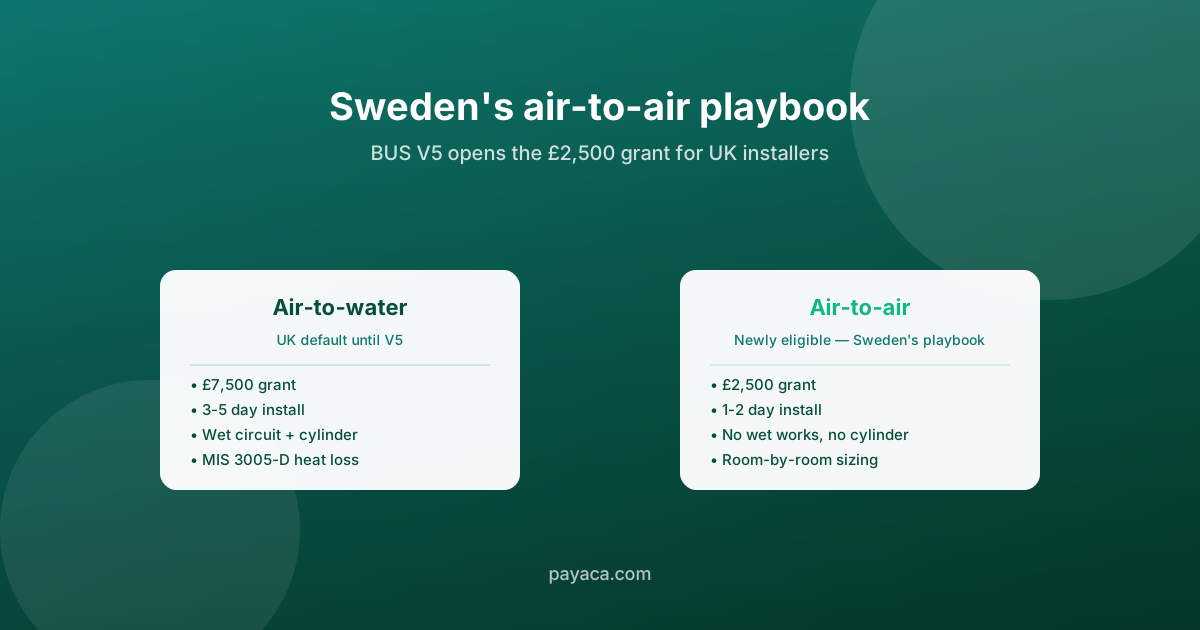
BUS V5 added a £2,500 grant for air-to-air heat pumps on 28 April 2026 - the first time UK policy has recognised the technology Sweden built a market around. The operations playbook for air-to-air installs is genuinely different from air-to-water. Here's what UK installers should borrow.
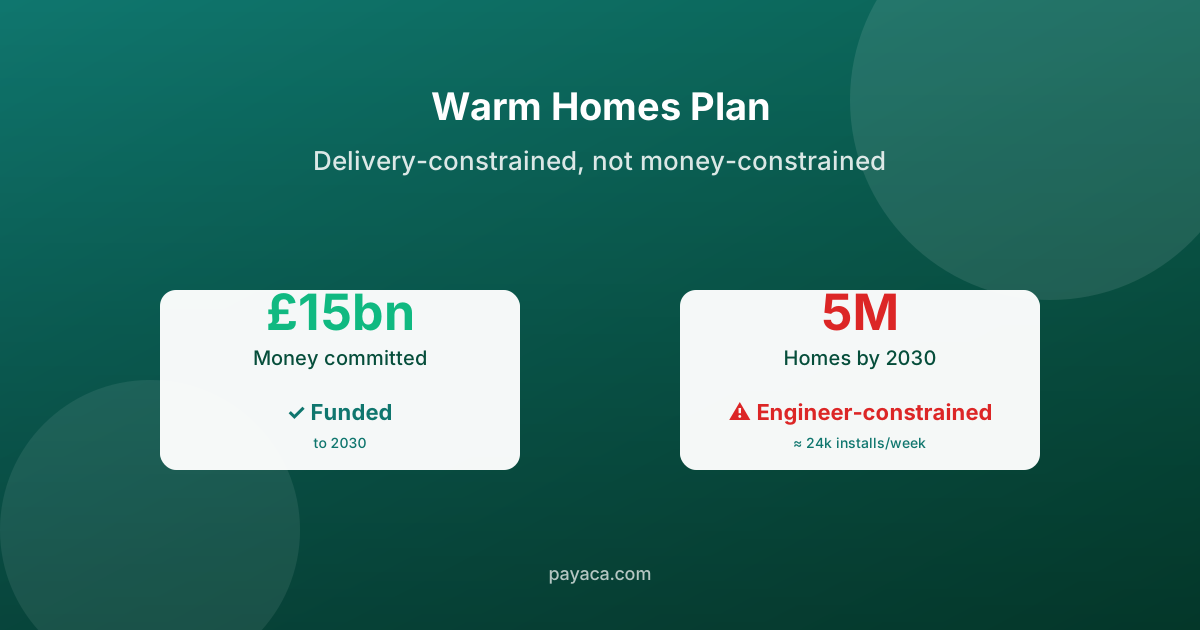
The £15bn is real. The 5-million-homes target is real. What's missing is the engineers. For UK heat pump installers, the next four years are an installer-capacity market - and the operations playbook that wins it is different from the one that won 2024.